I. Introduction
With the accelerated transformation of the global energy structure, renewable energy, especially solar photovoltaic power generation, is becoming an important component of national energy strategies. Pakistan, as a developing country in South Asia with rapidly growing energy demand, faces challenges such as tight electricity supply and a single energy structure. Developing the photovoltaic industry has become a key path for its energy transition. Photovoltaic frames, as important structural support components of photovoltaic modules, perform multiple functions including protecting the modules, enhancing mechanical strength, and facilitating installation. Their market demand is continuously expanding with the growth of photovoltaic installed capacity. This article aims to systematically analyze the market status, driving factors, challenges, and future prospects of photovoltaic frames in Pakistan.
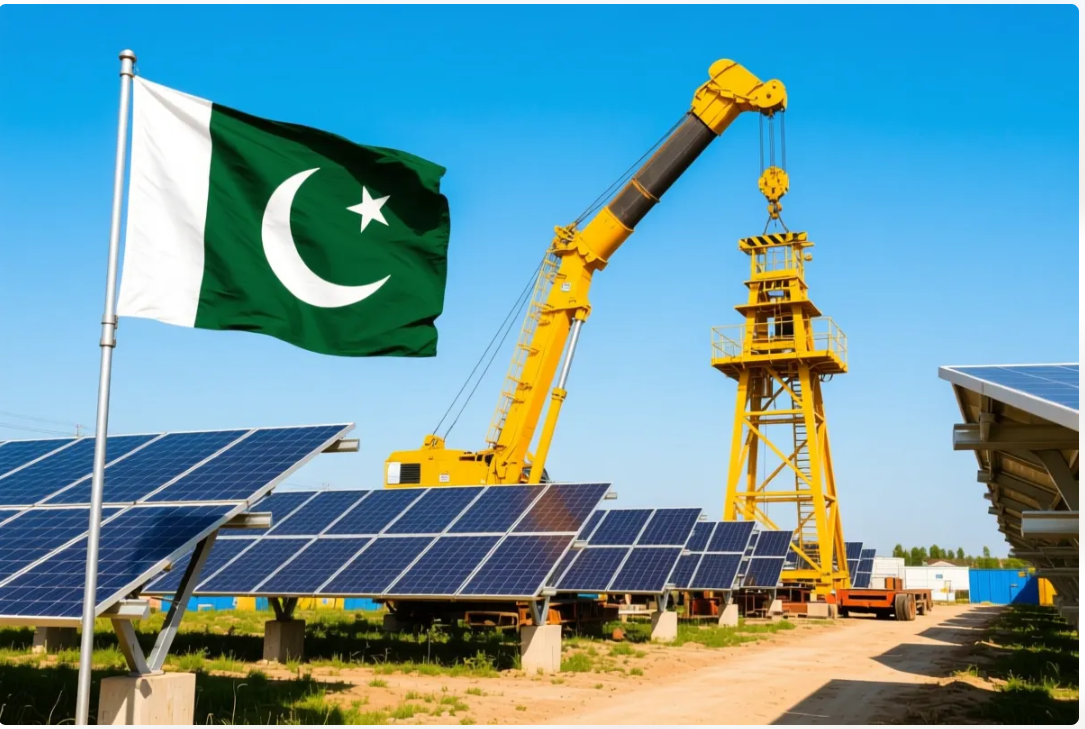
II. Current Status of Pakistan's Photovoltaic Industry Development
1. Prominent Energy Supply and Demand Imbalance
Pakistan has long faced electricity shortages, especially during peak summer demand, with widespread power outages. Although recent gas, coal, and hydropower projects have alleviated some of the pressure, problems such as high energy costs, strong import dependence, and poor grid stability still persist.
2. Superior Solar Resource Endowment
Most areas of Pakistan receive more than 8 hours of sunshine per day on average, with an annual total radiation of 1,800–2,200 kWh/m², giving it a natural advantage for developing photovoltaic power generation, especially in Punjab, Sindh, and Balochistan provinces.
3. Gradually Strengthening Policy Support
The Pakistani government has introduced several policies to encourage photovoltaic development, including:
○ Net metering policy, allowing commercial, industrial, and residential users to sell excess electricity back to the grid;
○ Tariff reductions or preferential tax rates for photovoltaic modules and related equipment;
○ Promoting large-scale photovoltaic projects such as the "10,000 MW Solar Initiative";
○ Encouraging public-private partnerships (PPP) to attract foreign investment for the construction of large-scale ground-mounted power plants.
4. Continuous Growth in Installed Capacity
As of 2025, Pakistan's cumulative photovoltaic installed capacity has exceeded 2.5 gigawatts (GW), with distributed photovoltaic (rooftop projects) accounting for an increasing proportion each year, mainly used in commercial and industrial sectors, agricultural irrigation, and off-grid power supply in remote areas. III. Photovoltaic Frame Market Analysis
1. Market Size and Demand Structure
○ With the establishment of local photovoltaic module assembly plants (such as in Lahore, Karachi, and Islamabad), the demand for localized photovoltaic frames has grown rapidly.
○ The current market is dominated by aluminum alloy frames, accounting for over 90% of the market share, due to their lightweight, corrosion resistance, high strength, and ease of processing, meeting the requirements of most module manufacturers.
○ Demand mainly comes from three types of customers:
■ Local photovoltaic module assembly plants;
■ Large power plant EPC contractors;
■ Distributed photovoltaic system integrators.
2. Supply Landscape
○ Local production: Currently, Pakistan has some aluminum alloy profile processing capabilities, and some companies have started producing photovoltaic-specific frames, but the production capacity is limited, and high-end anodizing technology is not yet mature.
○ Import dependence: High-quality frames are still mainly imported from countries such as China, the UAE, and Turkey, especially for high-end projects that require high precision and salt spray resistance, relying on imported products.
○ Price level: Locally produced frames are 10%-15% cheaper than imported products, but there is still room for improvement in delivery time and consistency.
3. Technological Trends
○ Lightweight design: To reduce transportation and installation costs, thin-walled, high-strength frames are becoming a trend;
○ Corrosion resistance upgrade: Projects in coastal areas (such as Karachi) have higher requirements for salt spray corrosion resistance, promoting the popularization of anodizing + sealing processes;
○ Exploration of frameless trends: Some double-sided module projects are exploring frameless designs, but this has not yet become mainstream.
IV. Market Driving Factors
1. Policy and Investment Incentives
Government tax incentives for renewable energy projects, relaxed foreign investment access, and simplified grid connection procedures have greatly boosted investor confidence.
2. Rising Electricity Prices and Energy Cost Pressure
Commercial and industrial users face high electricity prices, driving them to switch to rooftop solar power, thus driving the demand for frames and other supporting products. 3. Driven by Energy Projects under the China-Pakistan Economic Corridor (CPEC)
Several photovoltaic projects have been implemented under the CPEC framework, such as the Quaid-e-Azam Solar Park, creating a demonstration effect and driving the localization of the industrial chain.
4. Popularization of Distributed Photovoltaics
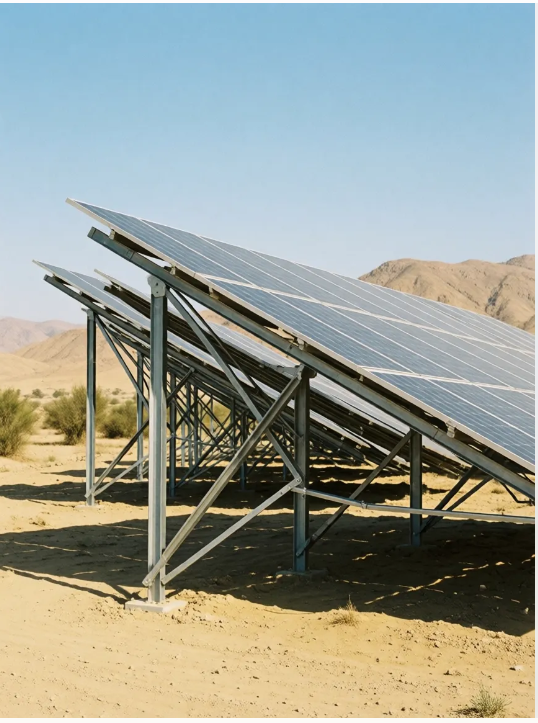
The rise of small-scale commercial, industrial, and agricultural photovoltaic projects has led to increased demand for standardized and modular frames.
V. Market Challenges
1. Weak Local Manufacturing Capacity
Unstable supply of raw materials (such as high-purity aluminum ingots) and backward precision extrusion and surface treatment technologies restrict product quality improvement.
2. Imperfect Standard System
The lack of unified national or industry standards for photovoltaic frames leads to uneven product quality in the market.
3. Financing and Supply Chain Bottlenecks
Local enterprises face high financing costs, and imported raw materials are significantly affected by exchange rate fluctuations; low logistics efficiency affects delivery cycles.
4. Intense International Competition
Photovoltaic frame companies from countries such as China, with their scale advantages and cost control, put pressure on local manufacturers.
VI. Future Prospects and Recommendations
1. Market Outlook
○ It is estimated that by 2030, Pakistan's annual new photovoltaic installed capacity will reach 800MW–1GW, driving the annual demand for photovoltaic frames to exceed 150,000 tons.
○ The proportion of localized production is expected to increase to over 50%, forming a preliminary industrial chain from aluminum profile processing to frame manufacturing.
2. Development Recommendations
○ For the government: Formulate support policies for localized production of photovoltaic modules and auxiliary materials, establish industry standards, and promote the construction of industrial parks;
○ For manufacturers: Introduce advanced extrusion and surface treatment equipment, strengthen cooperation with research institutions, and improve product consistency and durability;
○ For investors: Focus on investing in mid-to-high-end frame production lines and establish industrial clusters near major photovoltaic module factories;
○ For exporters: Companies from countries such as China can consider setting up factories in Pakistan or cooperating with local enterprises to avoid potential trade barriers.
VII. Conclusion
As a key auxiliary material in the photovoltaic industrial chain, photovoltaic frames in Pakistan are currently in a stage of rapid demand growth and the initial stages of localized manufacturing. Despite facing challenges such as technology, supply chain issues, and international competition, the market potential is enormous, driven by the overarching trend of energy transition, policy support, and market demand. In the future, through policy guidance, technological upgrades, and supply chain collaboration, Pakistan is expected to gradually achieve self-reliance and high-quality development in photovoltaic frames, providing strong support for national energy security and green transformation.

 English
  繁體中文
繁體中文  العربية
  Français
  Русский
  Español
  Português
  Deutsch
  italiano
  日本語
日本語  한국어
한국어  Nederlands
  Tiếng Việt
  ไทย
ไทย  Polski
  Türkçe
  አማርኛ
አማርኛ  Bahasa Melayu
  தமிழ்
தமிழ்  Filipino
  Bahasa Indonesia
  magyar
  Română
  Čeština
  қазақ
қазақ  Српски
  हिन्दी
  فارسی
فارسی  Slovenčina
  Slovenščina
  Svenska
  українська
  Ελληνικά
  Suomi
Suomi  עברית
עברית  Latine
  اردو
اردو  Shqip
Shqip  বাংলা
বাংলা  Hrvatski
  Afrikaans
  Gaeilge
  සිංහල
සිංහල  Oʻzbekcha
  অসমীয়া
  Български
  Esperanto
  guarani
  Kurdî
Kurdî  Cymraeg
  isiZulu


